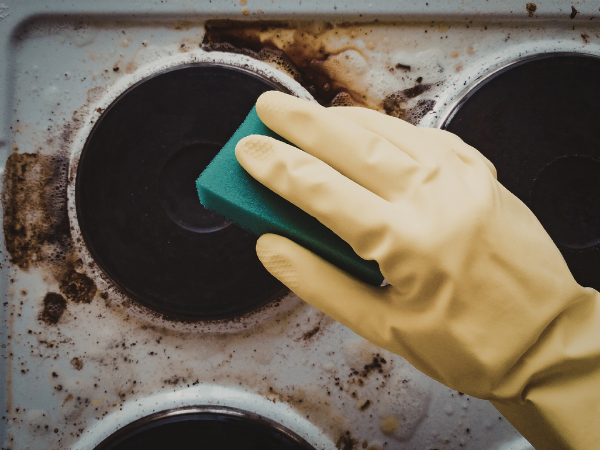
If your kitchen is busy, grease is building up somewhere. That is not fear-mongering, it is physics. Grease-laden vapors rise, cool, and stick to the inside of hoods, ducts, filters, and exhaust fans. Over time, that buildup turns into a combustible layer you cannot see from the cookline.
Here is the safety alert you should take seriously: restaurant fires are common, and cleaning problems play a real role.
NFPA estimates U.S. fire departments responded to an average of 7,410 structure fires per year in eating and drinking establishments (2010–2014). Those fires caused average annual losses of 3 civilian deaths, 110 injuries, and $165 million in property damage. Cooking equipment was involved in 61% of those fires, and failure to clean was a factor in 22%.
Why grease buildup gets dangerous fast
Think of grease like a trail. It starts at the cookline, moves into the exhaust system, and often ends up in your drainage system and your restaurant grease trap.
When that trail is not managed, you get three major risks that hit owners and facilities managers where it hurts most: safety, downtime, and liability.
1) Fire risk inside the exhaust system
Grease inside a hood or duct is fuel. All it takes is the wrong flare-up, an overheated surface, or a neglected area in the system for that fuel to ignite.
The scary part is how quiet the risk can be:
- Grease can accumulate deep in ducts and on fan blades where no one checks daily.
- Airflow can drop slowly, so the kitchen “feels normal” until it does not.
- You may not notice anything until smoke starts rolling or an inspector flags the system.
2) Slip, trip, and fall hazards that create real liability
Grease is not just a fire problem. It is a people problem.
Grease around traps, lids, and service areas can create trip and fall hazards, especially when covers are not secured or not rated for commercial use. OSHA highlights that workers can be injured if they trip or fall into a grease trap that is not properly covered, and it notes requirements for covers being secured and capable of supporting loads.
3) Health and indoor air problems you cannot ignore
When exhaust systems are dirty, smoke and odors can spill back into the kitchen and sometimes drift into guest areas. That is not just unpleasant, it can impact working conditions and cleanliness expectations during service.
The overlooked signs of buildup (what most teams miss)
If you are only looking for “visible grease,” you will miss the early warnings. Watch for these common signs:
- Smoke hangs longer than it used to or spills out from the hood during peak cooking.
- The kitchen feels hotter even though the HVAC is working.
- Fans sound louder, rattle, or seem weaker than normal.
- Grease is dripping from seams, filters, or collection areas.
- Sticky residue shows up fast on nearby walls, ceilings, or equipment.
- Odors linger after close even when surfaces are wiped down.
- Slow drains, backups, or foul smells near dish and prep areas (often tied to the restaurant grease trap).
- Your grease trap lid area looks slick or the lid does not sit flush and secure.
Where grease trap cleaning fits into an exhaust safety conversation
Here is the connection most operators do not make: grease does not only rise into the exhaust, it also goes down the drain.
If your grease trap cleaning plan is inconsistent, fats, oils, and grease can build up in the trap and lines, increasing the odds of messy backups, odors, and emergency plumbing calls. And from a safety standpoint, OSHA notes grease traps can also generate flammable and toxic gases over time, and large traps may even be permit-required confined spaces.
At Cleaning Pros Plus, grease trap service is designed to remove the guessing:
- Before and after photos provided
- GPS-tracked proof of service
- FOG reports to support environmental health compliance
- Free annual hydrojetting with service agreements to help prevent clogs and emergencies
Don’t wait: get ahead of the risk
If it has been a while since your last inspection, or if any of the warning signs above feel familiar, treat it like a priority. Fires, injuries, and shutdowns cost more than prevention.Don’t wait for the next inspection, the next flare-up, or the next backup. Schedule a walkthrough and build a plan that protects your people, your customers, and your property.